When a crime is committed, every minute matters. Families deserve answers, victims deserve justice, and law enforcement officers need timely, reliable evidence to identify those responsible. That is why the work of the Arkansas State Crime Laboratory is so important—and why the General Assembly has made significant investments to strengthen its capabilities.
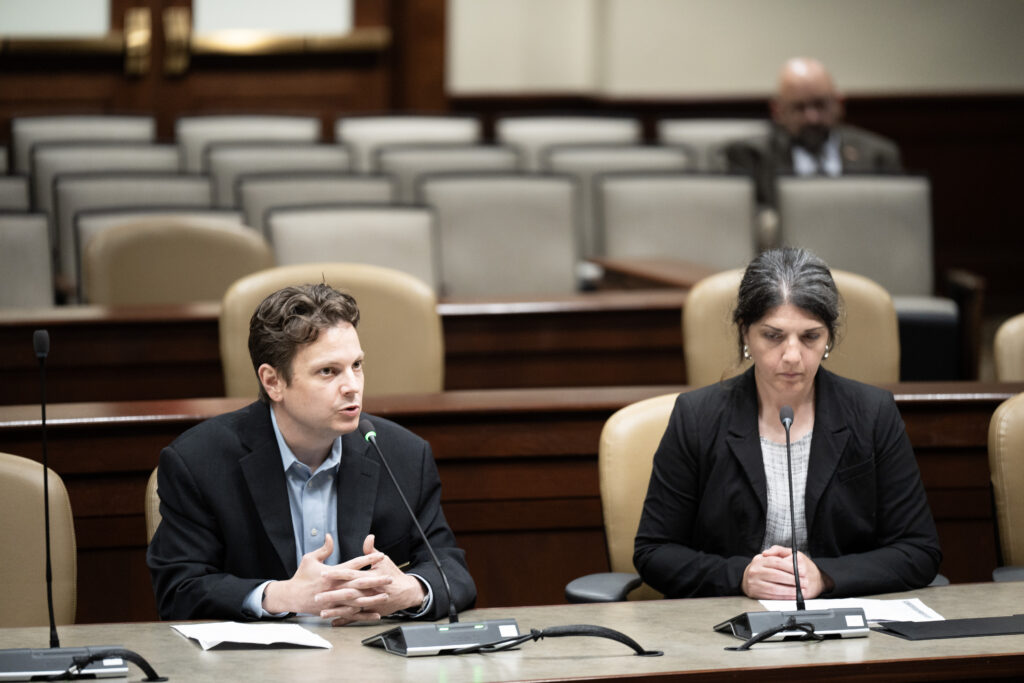
Members of the Arkansas Legislative Council’s Game and Fish/State Police Subcommittee recently received an update on the progress being made at the Crime Lab. Among the most significant projects is the construction of a new, state-of-the-art facility, made possible through legislative action. The current laboratory is more than 40 years old and has struggled to keep pace as its caseload has doubled over the past two decades to roughly 30,000 cases annually. The new facility, scheduled for completion in 2027, will expand capacity for DNA analysis, toxicology, firearms, digital evidence, fingerprint analysis, and medical examiner services.
The General Assembly has also invested in the people who make this critical work possible. Competitive state employee compensation has helped the Arkansas Crime Lab achieve its highest employee retention rate in five years while attracting highly trained forensic scientists and medical examiners—experts who are in short supply nationwide. In addition, Act 619 of 2025 authorized the hiring of one new Forensic Specialist and two new Forensic Technicians, expanding the lab’s capacity to process evidence more efficiently and help deliver timely answers to victims, families, and law enforcement.
Legislative action has also modernized forensic science in Arkansas. Laws passed in recent years authorized Rapid DNA technology, strengthened sexual assault kit testing and tracking, expanded postmortem examination requirements, and provided additional staffing and resources. Arkansas is expected to become just the fourth state in the nation to implement Rapid DNA technology, allowing investigators to quickly compare DNA samples through the Combined DNA Index System (CODIS) and generate investigative leads much sooner.
These investments have a direct impact on everyday Arkansans. Faster forensic testing means violent offenders can be identified more quickly, innocent people can be excluded sooner, cold cases can be reopened with new technology, and victims and their families spend less time waiting for answers.