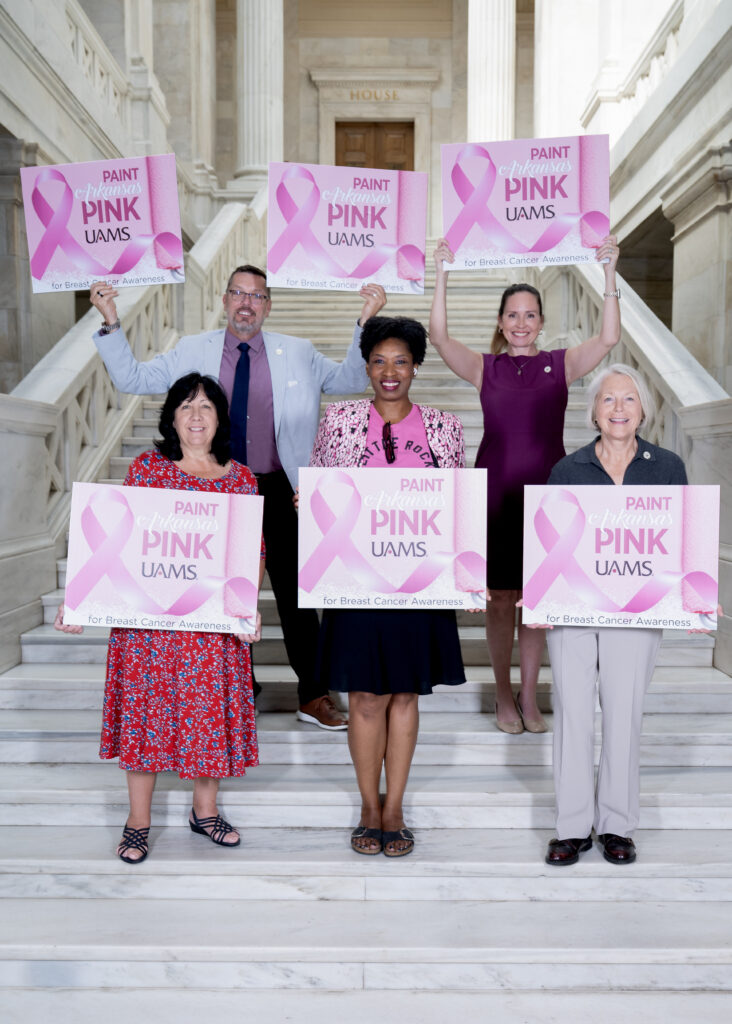
For many Arkansas families, breast cancer is more than a statistic. It is a diagnosis that can bring months of appointments, testing, treatment, and difficult decisions. October, recognized as Breast Cancer Awareness Month, is an opportunity to support those facing the disease while also highlighting the importance of early detection and access to quality care.
During the 2025 Regular Session, the General Assembly passed several measures aimed at reducing barriers to breast cancer screening, diagnosis, treatment, and reconstruction.
Act 268 eliminates out-of-pocket costs women can face when getting checked for breast cancer. It strengthened protections for mammograms and breast ultrasounds and made clear that those protections still apply when a patient needs more than one test or has to come back on a different day. The law also addresses costs for follow-up testing when something concerning is found.
Act 553 helps ensure that cost doesn’t stand in the way when women need additional breast cancer testing. It prohibits patients from being charged certain out-of-pocket costs for covered screening, diagnostic and supplemental breast exams. That includes additional testing that may be recommended for women at higher risk of breast cancer, such as those with dense breast tissue or a personal or family history of the disease.
Act 424 ensures that medically necessary breast reconstruction surgeries are covered under health benefit plans. It also strengthens protections concerning treatment decisions, reimbursement, and prior authorization.
Act 561 expands coverage for certain mastectomy-related procedures, including artificial or biological mesh used to support tissue and nerve grafts. These procedures can help preserve or restore nerve function following surgery.
Together, these measures address several stages of breast cancer care from screening and early detection to diagnosis, treatment, and reconstruction.
Breast Cancer Awareness Month is an important reminder to schedule recommended screenings, understand your individual risk factors, and encourage the women in your life to do the same. Awareness matters, but access matters too. By reducing financial barriers and expanding coverage, we can help more Arkansans get the care they need when they need it.