News Release
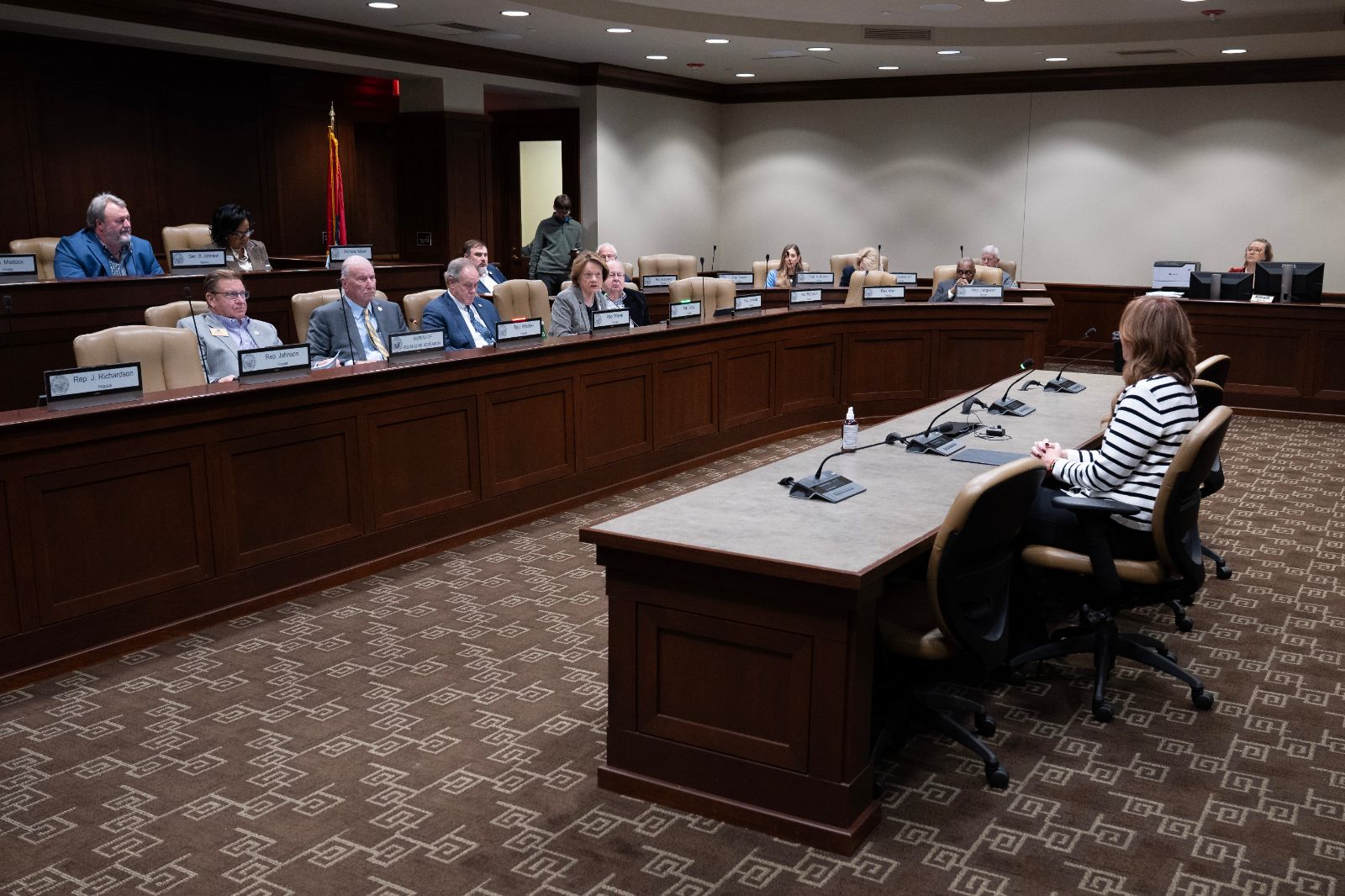
The Arkansas House and Senate Insurance and Commerce Committees recently met to examine a growing threat impacting families across our state: financial fraud.
The data presented to lawmakers was sobering. Seventy-three percent of adults have experienced an online scam or cyberattack. In 2024 alone, 4,238 fraud incidents were reported in Arkansas, totaling $51.8 million in losses. Even more concerning, 41% of those losses were connected to cryptocurrency.
Behind these statistics are real people. Older Arkansans remain the most targeted demographic, though fraud now affects individuals of all ages. The most common schemes include spoofed bank phone numbers that appear legitimate on caller ID, fake websites designed to mimic trusted institutions, and fraudulent job postings used to harvest personal and financial information.
Testimony from the Arkansas Attorney General’s Office highlighted a rise in social media advertising scams, government impostors, and professional service scams in which criminals pose as legitimate businesses. Over the past year, constituents reported $1.6 million in losses to the office, with the average victim age at 58 years old.
One of the fastest-growing schemes is “Pig Butchering,” where scammers build relationships over months through social media or text messages before persuading victims to invest increasing amounts, often draining savings or retirement accounts.
In 2025, Arkansas Attorney General Tim Griffin established the Financial Fraud Task Force, led by the Consumer Protection Division, which meets quarterly to coordinate efforts. The Arkansas Securities Department also reported that cyber-enabled fraud accounts for most financial losses. Lawmakers passed Arkansas Act 557 to add protections for Bitcoin kiosk users, including safeguards for Arkansans age 60 and older.
Industry leaders further warned that mortgage and real-estate scams increasingly involve impersonation, digital deception, and fraudulent wire instructions.
Members will carefully review this information and continue evaluating what additional legislation may be needed in the years ahead to better protect Arkansans and prevent financial fraud.
Click here for more information on scams and how to report them.