Arkansas is proudly known as The Natural State, but it is also a deeply rural state. From agriculture and forestry to small businesses and local infrastructure, many of the issues that shape Arkansas begin in rural communities. That is why legislators from across the state gathered this week in Jonesboro for the Arkansas Rural Development Conference.
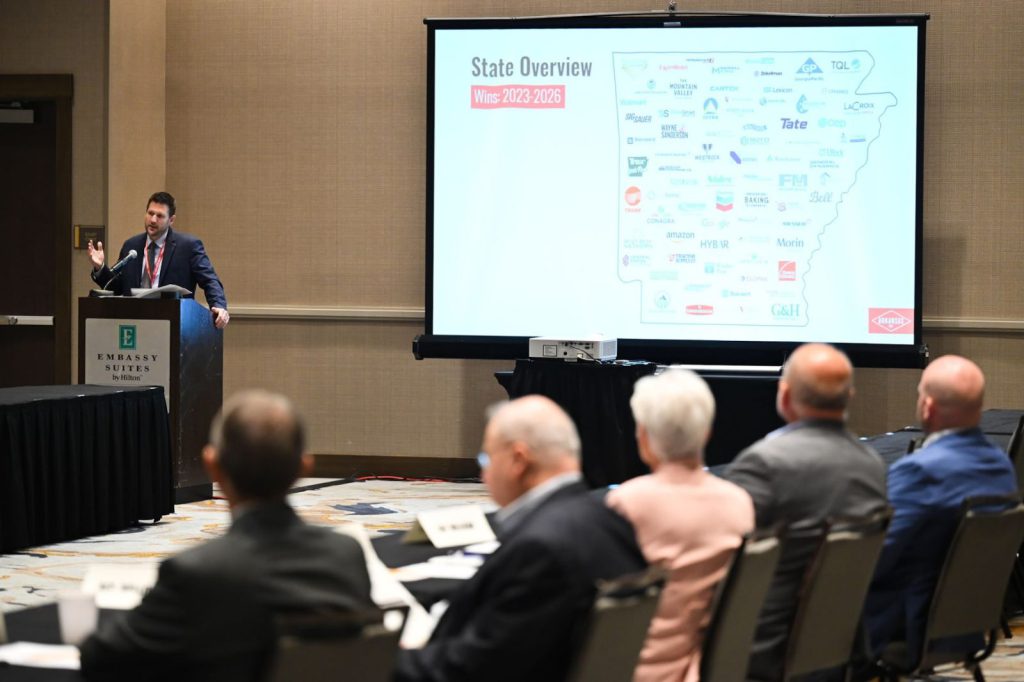
The three-day conference brought together mayors, county judges, legislators, state and federal officials, and community leaders, focused on strengthening communities across Arkansas. Two legislative committees met during the conference: the Agriculture, Forestry, and Economic Development Committee and the State Agencies and Governmental Affairs Committee. These meetings gave lawmakers the opportunity to hear directly from state agencies and economic development leaders about both the opportunities and challenges facing rural Arkansas.
Members also heard encouraging news about Arkansas’s economic standing nationally. Arkansas was recently ranked the number one state for affordability by U.S. News & World Report and first in the nation for inbound movers by Atlas Van Lines. Forbes Advisor ranked Arkansas third best in the country to start a new business, while the U.S. Energy Information Administration reported Arkansas has the fourth-lowest industrial electricity costs in the nation.
Economic developers emphasized several key factors businesses consider when selecting locations, including workforce availability, utilities, infrastructure, higher education resources, taxes, permitting, and quality of life. Many of these areas have been a focus of the General Assembly in recent sessions through investments in education, workforce development, infrastructure, and tax relief. The Arkansas Economic Development Commission noted the legislature’s efforts to lower both corporate and individual income taxes have strengthened Arkansas’ ability to recruit new businesses and compete for economic growth opportunities. As Arkansas continues competing for jobs and investment, addressing the unique needs and challenges facing rural communities remains critical to the long-term success of our state.